The Irony of Sri Lankan Tea Culture: A Brew Without a Proper Cup
Sri Lanka, the land of lush tea plantations, where the hills are blanketed with rows of vibrant green leaves that have earned us the title of the world’s finest tea producer. We pridefully boast about our tea heritage, display fancy packaging in airports, and ship millions of kilograms worldwide. Yet, for all this glory, there is a simple, frustrating truth that every tea lover in Sri Lanka knows too well: finding a decent, properly brewed cup of tea here is like searching for a needle in a haystack.
Let us set the scene. You walk into a charming little cafe or a fancy hotel in Sri Lanka, perhaps even one with a breathtaking view of the tea plantations we are so proud of. You are in the mood for a perfect cup of Ceylon tea—warm, comforting, and prepared just the way it should be. You order with high hopes, visions of that first sip dancing in your head. And what do you get?
A cup of hot water, a side of milk, a sachet of sugar, and the dreaded tea bag. Yes, the infamous tea bag—a small, uninspiring packet of dust and fragments that are supposed to represent the finest leaves we have to offer. Now, instead of being served a ready-to-sip, perfectly brewed cup, you are handed the responsibility of becoming your own barista, right there at the table.
You dunk the tea bag into the water, and watch it swirl around, waiting for it to release some semblance of flavor. You pour in the milk, add sugar, stir, sip—and sigh. It is just not the same. The tea is either too weak, too strong or simply lacks that comforting, robust flavor that should have been there from the start. It is like being served a gourmet meal and then being handed the ingredients to cook it yourself.
It is a bit tragic, isn’t it? Here we are, the proud producers of the world’s best tea, yet we fail to serve it properly in our own country. It is almost like an inside joke, except no one’s really laughing.
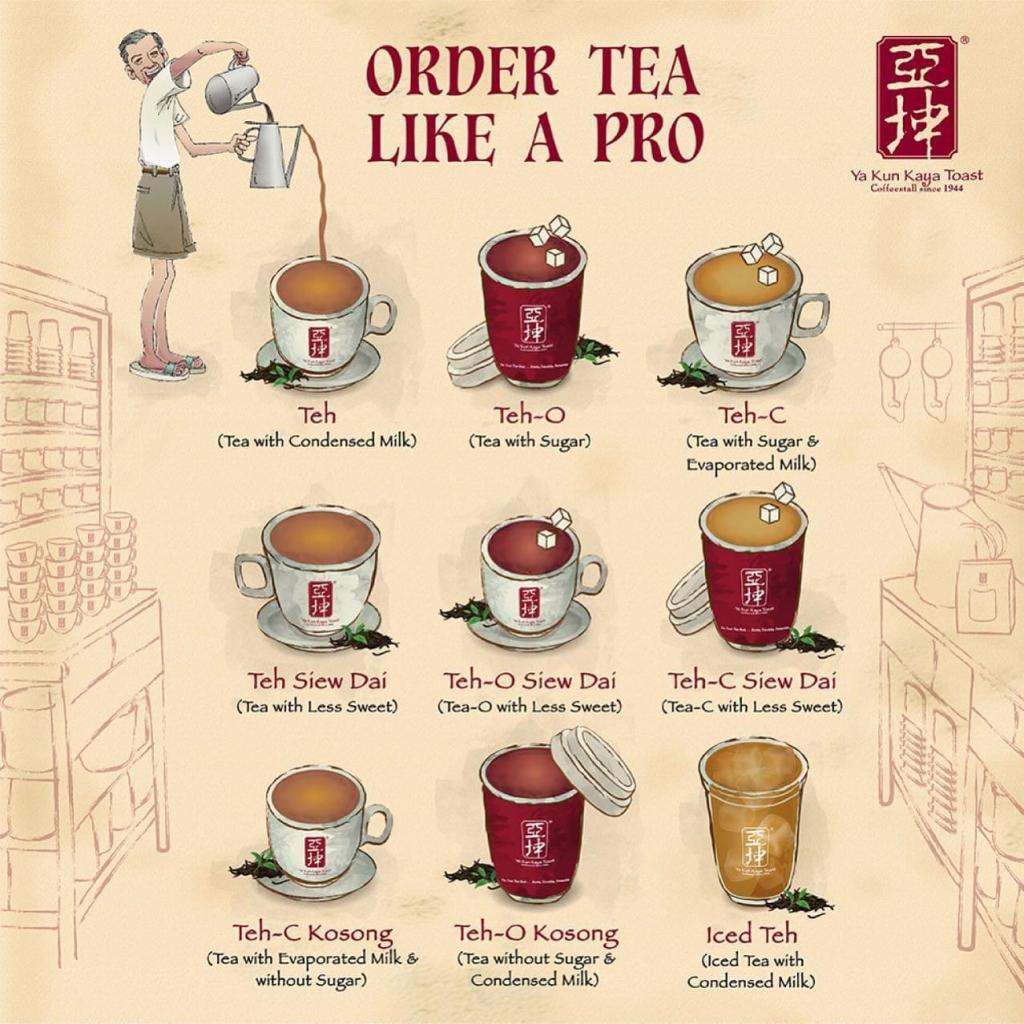
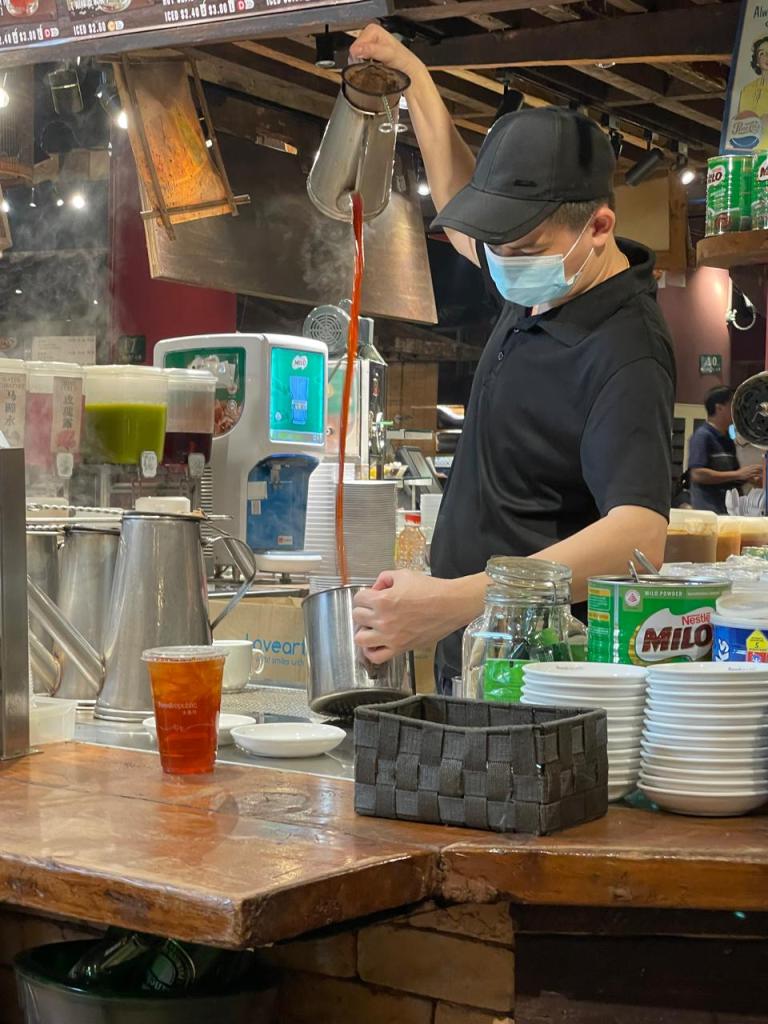
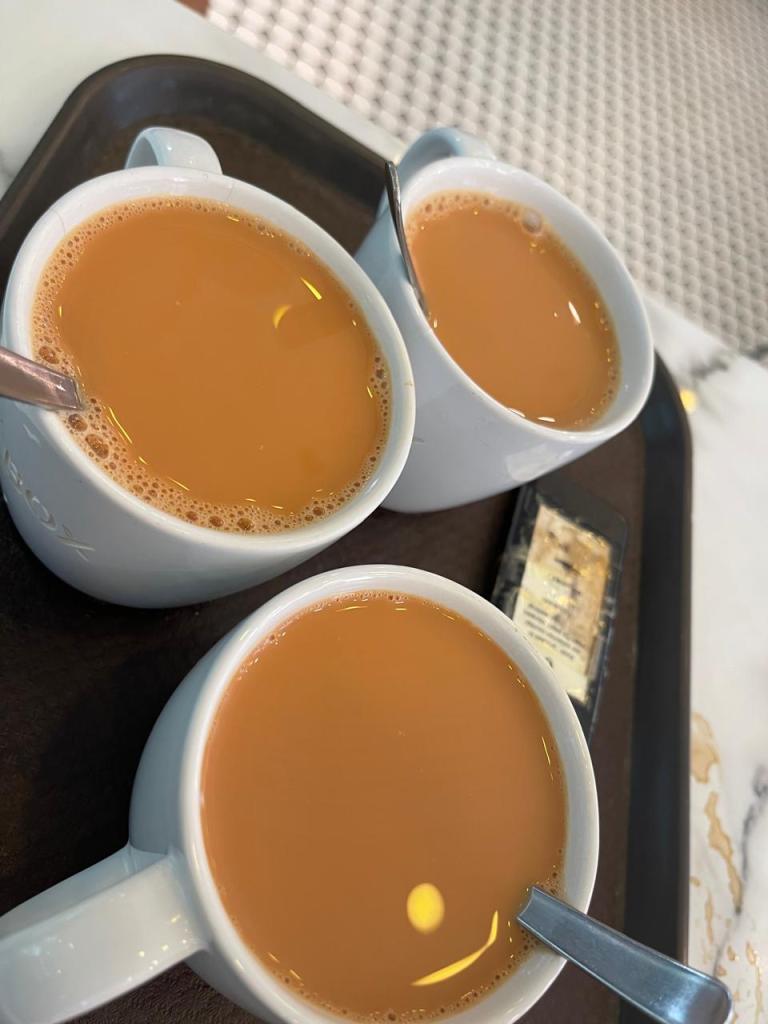
Now, let us take a quick detour to Singapore. Oh yes, Singapore—a place not exactly famous for growing tea, but definitely winning in the tea-serving department. There, you will find tea served in a variety of ways, each cup a carefully crafted delight. Want it with condensed milk? Done. Prefer it without sugar? No problem. They understand that the beauty of tea lies not just in the leaves but in the preparation and presentation. You order tea, and voilà—what you get is a ready-to-drink masterpiece that hits the spot every single time.
This contrast between Sri Lanka and Singapore is a bit of a wake-up call. We have nailed the art of growing and packaging tea, but we have somehow missed the mark on what should be the simplest part—serving it! Fancy flavors and packaging might appeal to tourists looking for souvenirs, but if we want to nurture a genuine love for tea, it needs to be about more than just the leaves. It is about the experience. Tea should be served properly, with care and attention, so that the drinker can enjoy it fully, without the hassle of playing tea scientist at the table.
Imagine if, instead of handing out tea bags, we served beautifully brewed pots of tea, where the aroma hits you before you even take a sip, and the flavor is just right—every time. No more hot water on the side, no more DIY tea experiments. Just a perfect cup of Ceylon tea, as it should be. That is how we should truly promote our tea culture, making sure every cup served in Sri Lanka is a testament to the quality and tradition we are so proud of.
In conclusion, while Sri Lanka might be world-renowned for its tea, we still have some brewing lessons to learn. It is high time we matched our serving standards to the quality of our leaves. So, the next time you find yourself sipping a boring cup of tea here, remember—there is hope. And maybe, just maybe, someone will listen and give our tea the respect it deserves, from plant to pot to cup.
Now, if you will excuse me, I am off to find a place that serves tea the way it is meant to be enjoyed. After all, life is too short for mediocre tea! 😊
 LifeInBitesAndBytes
Leave a comment